EMPATHY " Take off your own SHOES, and Step into the SHOES of another "
Empathy
접촉과 연대
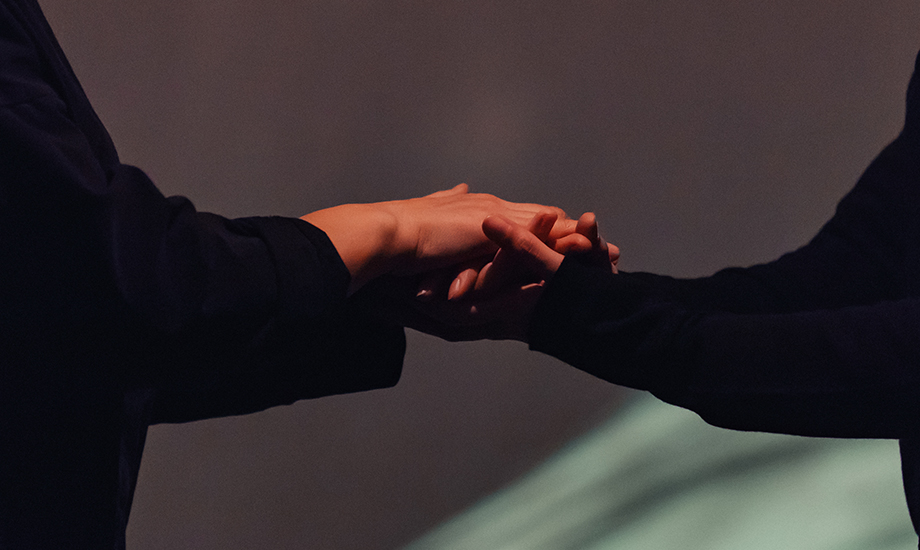
A turning point in my artistic journey came in 2014, when I met a mother who had lost her son in a tragic disaster. When I held her hand, I felt a surge of empathy that left a deep and lasting impression. From that encounter onward, I began to use the human body as my medium: a vessel of vulnerability, memory, and relational presence.
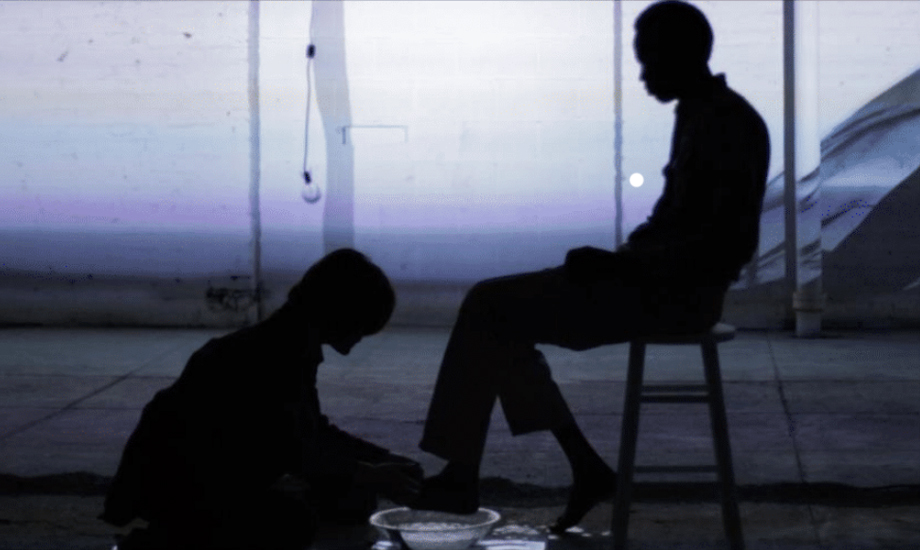
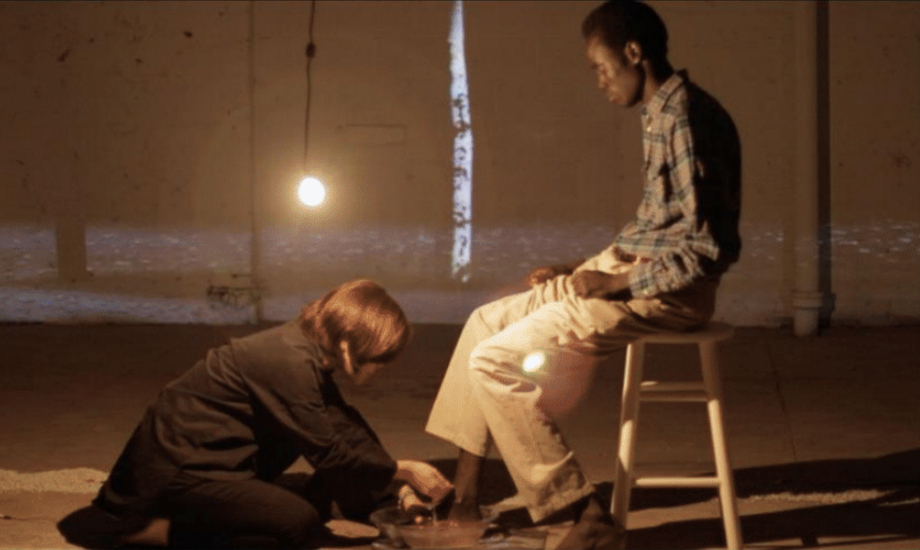
It begins with a liturgical gesture of humility and reverence: I wash the feet of those who have endured deep suffering—grieving mothers, displaced persons, survivors of violence. The act of foot washing necessitates the removal of their shoes, a natural yet intimate unveiling. These shoes—once worn through pain, migration, and memory—are not discarded, but consecrated. They are transformed into electrically conductive objects: material fragments that carry more than function—they carry presence, witness, and the trace of the body that once inhabited them.
Each participant’s voice is pre-recorded: sometimes whispered, sometimes breaking. These voices speak not to explain but to witness—to resist erasure.
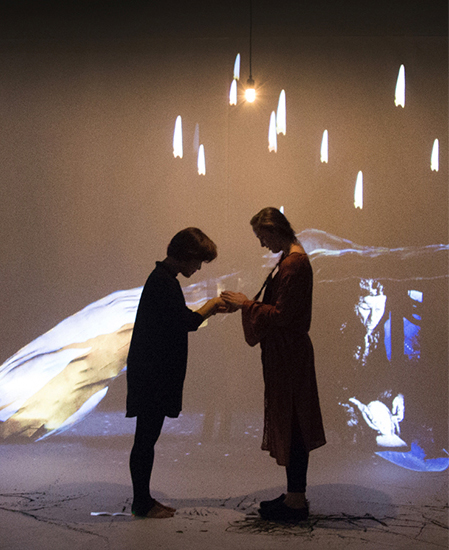
Audiences are invited to remove their own shoes and step into a donated pair. Without taking off their own shoes, the circuit cannot be completed. Then, They reach for my hand. A soft light glows as the circuit completes. A voice speaks. silenced voices and lights came forth. These sounds and sights revealed a hidden truth: that the shoes were once worn by other people, whose suffering had been ignored by others. One particular pair had belonged to the mother who had lost her son.
- In 2025, I encountered Rowan Williams' work on empathy, which profoundly reshaped my understanding of the concept. He challenges the common idea that empathy is simply “feeling what someone else feels.” Instead, he suggests that true empathy begins with the recognition that we cannot fully feel or know what another is going through — and that this very limit is what makes the ethical encounter with the other necessary and transformative. In particular, his interpretation of Edith Stein’s The Problem of Empathy offered deep insight. I was deeply inspired by it, and I am now actively studying her book and engaging with her thought in both my research and artistic practice.
This insight changed the way I approached relational art. Empathy, for Williams, is not a psychological technique or an emotional mirror — it is a moral and bodily posture: the willingness to stand before another without illusion, without full access to their pain, and yet to remain present, open, and responsible. He draws from philosophy, theology, and developmental psychology to show that we come to know ourselves through others — through our bodies being in relation, through the fragile yet necessary risk of acknowledging that the other is not just “like me,” but irreducibly other. Informed by this vision, Empathy is no longer about identification, but about presence across difference. It invites participants to recognize that the true depth of human connection lies not in fusion, but in the respectful tension between nearness and mystery. I am now developing a new approach, which will soon be shared on the new site.
"How can the simple act of removing one’s shoes become a way of freeing oneself from the constraints of the ego?"
It begins with a liturgical gesture of humility and reverence: I wash the feet of those who have endured deep suffering—grieving mothers, displaced persons, survivors of violence. The act of foot washing necessitates the removal of their shoes, a natural yet intimate unveiling. These shoes—once worn through pain, migration, and memory—are not discarded, but consecrated. They are transformed into electrically conductive objects: material fragments that carry more than function—they carry presence, witness, and the trace of the body that once inhabited them.
Each participant’s voice is pre-recorded: sometimes whispered, sometimes breaking. These voices speak not to explain but to witness—to resist erasure.
Audiences are invited to remove their own shoes and step into a donated pair. Without taking off their own shoes, the circuit cannot be completed. Then, They reach for my hand. A soft light glows as the circuit completes. A voice speaks. silenced voices and lights came forth. These sounds and sights revealed a hidden truth: that the shoes were once worn by other people, whose suffering had been ignored by others. One particular pair had belonged to the mother who had lost her son.
- In 2025, I encountered Rowan Williams' work on empathy, which profoundly reshaped my understanding of the concept. He challenges the common idea that empathy is simply “feeling what someone else feels.” Instead, he suggests that true empathy begins with the recognition that we cannot fully feel or know what another is going through — and that this very limit is what makes the ethical encounter with the other necessary and transformative. In particular, his interpretation of Edith Stein’s The Problem of Empathy offered deep insight. I was deeply inspired by it, and I am now actively studying her book and engaging with her thought in both my research and artistic practice.
This insight changed the way I approached relational art. Empathy, for Williams, is not a psychological technique or an emotional mirror — it is a moral and bodily posture: the willingness to stand before another without illusion, without full access to their pain, and yet to remain present, open, and responsible. He draws from philosophy, theology, and developmental psychology to show that we come to know ourselves through others — through our bodies being in relation, through the fragile yet necessary risk of acknowledging that the other is not just “like me,” but irreducibly other. Informed by this vision, Empathy is no longer about identification, but about presence across difference. It invites participants to recognize that the true depth of human connection lies not in fusion, but in the respectful tension between nearness and mystery. I am now developing a new approach, which will soon be shared on the new site.
"How can the simple act of removing one’s shoes become a way of freeing oneself from the constraints of the ego?"
2014년 작가의 예술 여정의 전환점은 비극적 사고로 아들을 잃은 한 어머니와의 만남에서 비롯되었다. 그 손을 맞잡는 순간 밀려온 공감의 파장은 작가에게 지울 수 없는 흔적을 남겼고, 이 경험 이후 그는 인간의 몸을 자신의 매체로 삼기 시작한다—취약함과 기억, 관계적 현존을 담아내는 그릇으로서.
《놀리 메 탄제레(Noli Me Tangere)》로 명명된 이 작업은 겸손과 경외의 전례적 몸짓, 곧 세족(洗足)에서 출발한다. 작가는 깊은 고통을 겪어낸 이들—사별한 어머니, 이주민, 폭력의 생존자—의 발을 씻긴다. 발을 씻기는 행위는 필연적으로 신발을 벗기는 행위를 동반하며, 이는 자연스러우면서도 지극히 내밀한 드러냄의 순간을 이룬다. 고통과 이주와 기억으로 닳아온 그 신발들은 버려지는 대신 봉헌된다. 전기 전도체로 변환된 신발은 기능을 넘어, 현존과 증언, 그리고 한때 그것을 신었던 몸의 흔적을 담아내는 물질로 다시 태어난다. 참여자의 목소리는 사전 녹음되어 삽입된다. 때로는 속삭임으로, 때로는 끊어질 듯한 흐느낌으로. 이 목소리들은 설명하기 위해서가 아니라 증언하기 위해, 지워짐에 저항하기 위해 존재한다.
관객은 자신의 신발을 벗고 타인이 기증한 신발에 발을 들여놓도록 초대받는다. 자신의 신발을 벗지 않고서는 회로는 결코 완성되지 않는다. 이어 관객은 작가의 손을 잡는다. 회로가 완성되는 순간 은은한 빛이 켜지고 목소리가 흘러나온다—오랫동안 침묵해온 목소리와 빛이 마침내 새어 나오는 것이다. 이 소리와 빛은 감춰졌던 진실을 드러낸다: 지금 딛고 선 신발이 한때 다른 누군가의 것이었으며, 그 고통은 세상으로부터 외면당해왔다는 사실을. 그중 한 켤레는 다름 아닌, 아들을 잃은 그 어머니의 것이다.
2025년 작가는 로완 윌리엄스의 공감론을 접하며 이 개념을 근본적으로 재사유하게 된다. 윌리엄스는 공감을 "타인이 느끼는 것을 그대로 느끼는 일"로 보는 통념에 반기를 든다. 대신 그는, 우리가 타인의 경험을 온전히 느끼거나 알 수 없다는 인식이야말로 진정한 공감의 출발점이며, 바로 그 한계야말로 윤리적 만남을 필요하고도 변혁적인 것으로 만든다고 본다. 특히 에디트 슈타인의 『공감의 문제』에 대한 그의 해석은 깊은 통찰을 제공했고, 작가는 현재 이 책을 연구와 작업 양쪽에서 적극적으로 탐구하는 중이다.
이 통찰은 작가의 관계 미학 전반을 재편하는 계기가 된다. 윌리엄스에게 공감이란 심리적 기법도, 감정의 거울도 아니다. 그것은 도덕적이고 신체적인 자세다—환상 없이, 타인의 고통에 온전히 다가설 수 없음을 인정하면서도 그 앞에 현존하고, 열려 있고, 책임을 다하려는 의지. 그는 철학과 신학, 발달심리학을 가로지르며, 우리가 타인을 통해 비로소 자기 자신을 알게 된다는 것을, 몸과 몸이 관계 맺는 그 취약하고도 필연적인 위험 속에서—타인이 단지 "나와 같은 존재"가 아니라 환원 불가능한 타자임을 받아들이는 그 위험 속에서—우리가 우리 자신에게 도달한다는 것을 보여준다. 이 관점에서 공감은 더 이상 동일시의 문제가 아니라 차이를 가로지르는 현존의 문제가 된다. 인간적 연결의 진정한 깊이는 융합이 아니라, 가까움과 신비 사이의 존중받는 긴장 속에 있다는 것이다. 작가는 이 통찰을 바탕으로 새로운 접근을 준비하고 있으며, 이는 곧 신설될 사이트를 통해 공개될 예정이다. 이 지점에서 하나의 질문이 남는다:
신발을 벗는 단순한 행위는 어떻게 자아의 굴레로부터 스스로를 놓아주는 방식이 될 수 있는가.
《놀리 메 탄제레(Noli Me Tangere)》로 명명된 이 작업은 겸손과 경외의 전례적 몸짓, 곧 세족(洗足)에서 출발한다. 작가는 깊은 고통을 겪어낸 이들—사별한 어머니, 이주민, 폭력의 생존자—의 발을 씻긴다. 발을 씻기는 행위는 필연적으로 신발을 벗기는 행위를 동반하며, 이는 자연스러우면서도 지극히 내밀한 드러냄의 순간을 이룬다. 고통과 이주와 기억으로 닳아온 그 신발들은 버려지는 대신 봉헌된다. 전기 전도체로 변환된 신발은 기능을 넘어, 현존과 증언, 그리고 한때 그것을 신었던 몸의 흔적을 담아내는 물질로 다시 태어난다. 참여자의 목소리는 사전 녹음되어 삽입된다. 때로는 속삭임으로, 때로는 끊어질 듯한 흐느낌으로. 이 목소리들은 설명하기 위해서가 아니라 증언하기 위해, 지워짐에 저항하기 위해 존재한다.
관객은 자신의 신발을 벗고 타인이 기증한 신발에 발을 들여놓도록 초대받는다. 자신의 신발을 벗지 않고서는 회로는 결코 완성되지 않는다. 이어 관객은 작가의 손을 잡는다. 회로가 완성되는 순간 은은한 빛이 켜지고 목소리가 흘러나온다—오랫동안 침묵해온 목소리와 빛이 마침내 새어 나오는 것이다. 이 소리와 빛은 감춰졌던 진실을 드러낸다: 지금 딛고 선 신발이 한때 다른 누군가의 것이었으며, 그 고통은 세상으로부터 외면당해왔다는 사실을. 그중 한 켤레는 다름 아닌, 아들을 잃은 그 어머니의 것이다.
2025년 작가는 로완 윌리엄스의 공감론을 접하며 이 개념을 근본적으로 재사유하게 된다. 윌리엄스는 공감을 "타인이 느끼는 것을 그대로 느끼는 일"로 보는 통념에 반기를 든다. 대신 그는, 우리가 타인의 경험을 온전히 느끼거나 알 수 없다는 인식이야말로 진정한 공감의 출발점이며, 바로 그 한계야말로 윤리적 만남을 필요하고도 변혁적인 것으로 만든다고 본다. 특히 에디트 슈타인의 『공감의 문제』에 대한 그의 해석은 깊은 통찰을 제공했고, 작가는 현재 이 책을 연구와 작업 양쪽에서 적극적으로 탐구하는 중이다.
이 통찰은 작가의 관계 미학 전반을 재편하는 계기가 된다. 윌리엄스에게 공감이란 심리적 기법도, 감정의 거울도 아니다. 그것은 도덕적이고 신체적인 자세다—환상 없이, 타인의 고통에 온전히 다가설 수 없음을 인정하면서도 그 앞에 현존하고, 열려 있고, 책임을 다하려는 의지. 그는 철학과 신학, 발달심리학을 가로지르며, 우리가 타인을 통해 비로소 자기 자신을 알게 된다는 것을, 몸과 몸이 관계 맺는 그 취약하고도 필연적인 위험 속에서—타인이 단지 "나와 같은 존재"가 아니라 환원 불가능한 타자임을 받아들이는 그 위험 속에서—우리가 우리 자신에게 도달한다는 것을 보여준다. 이 관점에서 공감은 더 이상 동일시의 문제가 아니라 차이를 가로지르는 현존의 문제가 된다. 인간적 연결의 진정한 깊이는 융합이 아니라, 가까움과 신비 사이의 존중받는 긴장 속에 있다는 것이다. 작가는 이 통찰을 바탕으로 새로운 접근을 준비하고 있으며, 이는 곧 신설될 사이트를 통해 공개될 예정이다. 이 지점에서 하나의 질문이 남는다:
신발을 벗는 단순한 행위는 어떻게 자아의 굴레로부터 스스로를 놓아주는 방식이 될 수 있는가.
I entitle this work - Noli Me Tangere [ Do not touch me ] John 20:17
[ Eyes Adi : Syrian Refugee ]
Z/KU, Berlin, Germany
In 2017, I met Eyas Adi - a Syrian refugee - and heard his story. This was during a month-long residency at ZKU in Berlin, where I worked with Adi to produce an interactive installation aiming to tell the heartbreaking tales of refugees.
Taken from the idiomatic definition of ‘empathy’ – “to put yourself in someone else’s shoes” - I decided to use Adi's shoes as the central object of this artwork. Shoes are an important piece of clothing: they have walked every step of our journey with us. So, to justify taking such vital items from my collaborator and modifying them, I first offered to wash Adi's feet.
A film of this process was shown to audiences and directed their attention to the care and humility involved in empathy. The same shoes that were seen in the video were then presented to the audience, who were invited to step into them. When an audience member wore Adi's shoes and held my hand, an electrical circuit would trigger certain sounds and images: Adi's voice, and images of refugees.
Although hushed and unnoticed at first, Adi’s story now broke the silence. It had been cued by a universally warm gesture – holding hands. I was absorbed by the abstract idea that an act of touch can create an “empathy tie,” and in turn, can release stories that have been silenced.
Taken from the idiomatic definition of ‘empathy’ – “to put yourself in someone else’s shoes” - I decided to use Adi's shoes as the central object of this artwork. Shoes are an important piece of clothing: they have walked every step of our journey with us. So, to justify taking such vital items from my collaborator and modifying them, I first offered to wash Adi's feet.
A film of this process was shown to audiences and directed their attention to the care and humility involved in empathy. The same shoes that were seen in the video were then presented to the audience, who were invited to step into them. When an audience member wore Adi's shoes and held my hand, an electrical circuit would trigger certain sounds and images: Adi's voice, and images of refugees.
Although hushed and unnoticed at first, Adi’s story now broke the silence. It had been cued by a universally warm gesture – holding hands. I was absorbed by the abstract idea that an act of touch can create an “empathy tie,” and in turn, can release stories that have been silenced.
[ Kam Charles : South Sudan Refugee]
Bemis Center for Contemporary Art, Omaha, Nebraska,USA
In I and Thou, Martin Buber writes: “All real living is meeting” (Buber, 1923: 11).
To live and experience life, and to become ourselves, we must meet others.
I became myself through my meeting with Kam Charles, a refugee from South Sudan, who gave me his words and his shoes. If you take off your shoes and put on Kam’s, you too will ‘become yourself.’
During this performance, Kam's voice was heard saying :
1. I was conceived, born, and raised in war.
2. I count not pursue my dreams or make a plan for my life because war took that privilege away from me and it dictates my tomorrows.
3. I could not play and laugh like a normal child because war silenced me.
4. My own home is war town hence inhabitable.
5. I cry all the times when I think about home, my mother, sisters, brothers, uncles in war
6.If people could be brought out of that environment, I would work for it 24/7, to share this life with them or whoever needs it.
7. If you have peace, would you please share a portion with someone like myself
8. I want piece in South Sudan, can you share your peace with us
9. I want my friends to visit me at home at peace and be happy with me in peace at home
To live and experience life, and to become ourselves, we must meet others.
I became myself through my meeting with Kam Charles, a refugee from South Sudan, who gave me his words and his shoes. If you take off your shoes and put on Kam’s, you too will ‘become yourself.’
During this performance, Kam's voice was heard saying :
1. I was conceived, born, and raised in war.
2. I count not pursue my dreams or make a plan for my life because war took that privilege away from me and it dictates my tomorrows.
3. I could not play and laugh like a normal child because war silenced me.
4. My own home is war town hence inhabitable.
5. I cry all the times when I think about home, my mother, sisters, brothers, uncles in war
6.If people could be brought out of that environment, I would work for it 24/7, to share this life with them or whoever needs it.
7. If you have peace, would you please share a portion with someone like myself
8. I want piece in South Sudan, can you share your peace with us
9. I want my friends to visit me at home at peace and be happy with me in peace at home
- [ Voice of JongSun Han : the victim of the Brother's Home abuse casety] In front of National Assembly, Seoul, Korea
Jongsun is the victim of a ‘Brother’s Home’, a concentration camp where homeless men were exploited through violence and forced labor.
Victims had been fighting to uncover the truth of their sufferings, in front of the National Assembly building, in Seoul, Korea.
Victims had been fighting to uncover the truth of their sufferings, in front of the National Assembly building, in Seoul, Korea.
[ For the mother : who lost her son at the Ferry disaster ]
Asian Cultural Center, Gwangju, Korea